Mother breastfeeding baby with nursing pillow

Breastfeeding Nipple Pain: What’s Normal and When to Get Help

August 26, 2026 Women

breastfeeding Breastfeeding Shouldn't Hurt: Understanding Nipple Pain
Many new parents are told that breastfeeding is supposed to hurt at first. You may even hear that you just have to “push through the pain.” The truth is, breastfeeding should not cause ongoing pain. 

Some mild nipple tenderness during the first few days after birth can be normal as you and your baby learn together. But pain that continues during or after feedings is a sign that something may need to be adjusted. The good news is, In many cases, small changes can make breastfeeding much more comfortable.

[videosharebutton url="https://vimeo.com/1204516505"]
White daisies with pale blue petals overlapping
Two illustrated daisies with yellow centers

breastfeeding Breastfeeding Shouldn't Hurt: Understanding Nipple Pain

Many new parents are told that breastfeeding is supposed to hurt at first. You may even hear that you just have to “push through the pain.” The truth is, breastfeeding should not cause ongoing pain.

Some mild nipple tenderness during the first few days after birth can be normal as you and your baby learn together. But pain that continues during or after feedings is a sign that something may need to be adjusted. The good news is, In many cases, small changes can make breastfeeding much more comfortable.

question normal Is Some Nipple Tenderness Normal?

During the first few days after your baby is born, your nipples may feel a little sensitive as they adjust to frequent feeding. This tenderness should improve over time.

Blue triangle with exclamation mark inside, indicating warning

If you feel sharp pain, pinching, burning, or pain that lasts throughout the feeding or continues afterward, don’t ignore it. Pain is your body’s way of letting you know that something isn’t quite right.

Mother wincing in discomfort while breastfeeding her baby
Baby breastfeeding while held in mother's arms

breastfeed baby What Causes Breastfeeding Pain?

One of the most common causes of nipple pain is a shallow latch. A good latch allows your baby to remove milk effectively while protecting your nipples from unnecessary pressure. When a baby isn’t deeply latched onto the breast, breastfeeding can become uncomfortable for both you and your baby.

Blue blub What Should 
Breastfeeding Feel Like?

A comfortable breastfeeding session usually feels like gentle tugging or pulling as your baby removes milk. If nursing hurts, it’s okay to stop and try again.

It should not feel like:

Mother looking down at her newborn while breastfeeding
Close-up of a newborn breastfeeding

baby latch How to Get a More 
Comfortable Latch

A deep latch is often more comfortable and helps your baby remove milk more effectively. If breastfeeding feels painful, gently break your baby’s suction by placing a clean finger into the corner of their mouth before removing them from the breast. Then try latching again.

These tips can also help:

Hold your baby close with their body facing yours.
Make sure your baby's neck can extend comfortably.
Keep some space between your baby's chin and chest.
Let your baby's chin touch the breast first.
Wait until your baby opens their mouth wide before bringing them onto the breast.
Aim your nipple toward the roof of your baby's mouth as they latch.

position Try a Different Breastfeeding Position

Sometimes a simple position change can make a big difference. If one position is uncomfortable, try another that better supports you and your baby. Every family is different, and it may take a little practice to find what works best.

Mother breastfeeding her baby in an armchair

search hand Check Your Nipple After Feeding

Signs of a good latch

When your baby finishes nursing, take a quick look at your nipple. A nipple that looks round after feeding is usually a sign of a good latch.

Signs of a bad latch

Your baby may not have been deeply latched if your nipple looks:

Tip!
Try adjusting the latch to help reduce discomfort.

plus store shape Caring for Sore Nipples

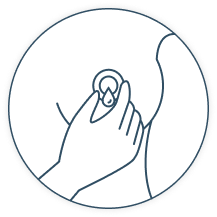
If your nipples are sore, applying a few drops of your own breast milk after feeding may help support healing. Let the breast milk air-dry before covering your breast. It’s also important to continue working on improving your baby’s latch so the soreness can heal instead of getting worse.

breast-pain
Woman examining her breast while sitting on a bed
Mother talking on the phone while breastfeeding her baby

women When to Ask for Help

You don’t have to figure this out on your own. A lactation consultant, healthcare provider, or WIC breastfeeding peer counselor can watch a feeding, help improve your baby’s latch, and answer your questions.

Reach out for breastfeeding support if:

healthy people You Don't Have to Push Through the Pain

Breastfeeding is a learning experience for both you and your baby. While it may take a little practice, ongoing pain is not something you should simply accept. With the right support and a few adjustments, breastfeeding often becomes much more comfortable.

If you're having pain, reach out to your local WIC office or an International Board Certified Lactation Consultant (IBCLC). Help is available, and you don't have to do this alone.