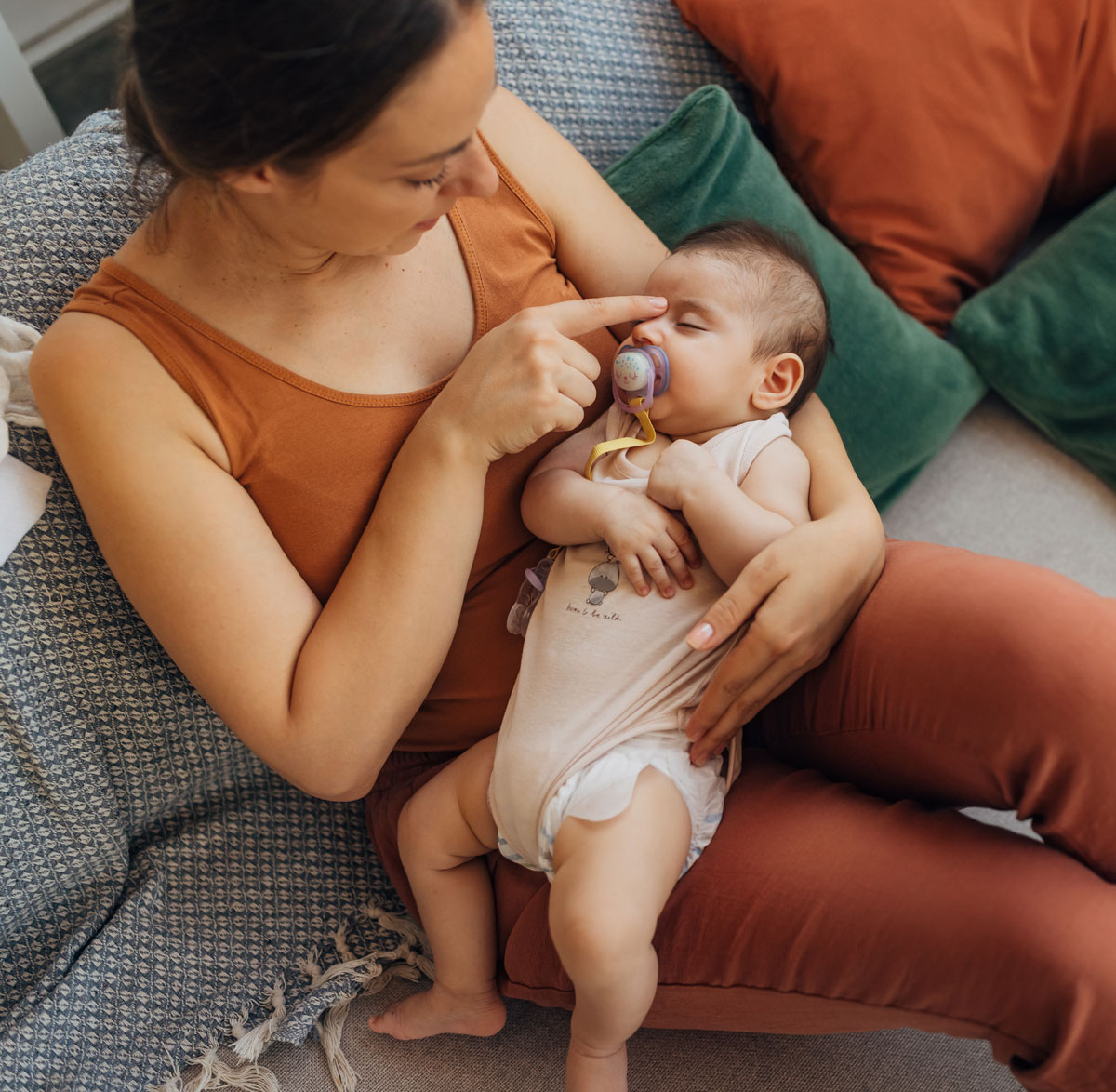
Mother gently touching forehead with baby indoors

Infant Pacifiers:
Benefits, Safety Tips, and When to Wean

June 3, 2026 Infant

Pacifier What Parents Should Know About Infant Pacifiers

Paci, binky, nookie – whatever you choose to call it, pacifiers can be a helpful tool for soothing babies. Many parents have questions about when to use them, how to use them safely, and what to do when it’s time to stop.

Pacifiers Baby Why Do Babies Like Pacifiers?

Babies are born with a natural urge to suck. This is called non-nutritive sucking, and it helps them feel calm and secure.

A pacifier can:

calendar true When Should You Introduce a Pacifier?

If you are breastfeeding, it’s best to wait until breastfeeding is well established before offering a pacifier. This is usually around 3 to 4 weeks after birth.

If you are formula feeding, you can offer a pacifier earlier, as long as your baby is feeding well and gaining weight.

Introducing a pacifier too early may make it harder to recognize hunger cues. It may also interfere with building milk supply if you’re breastfeeding.

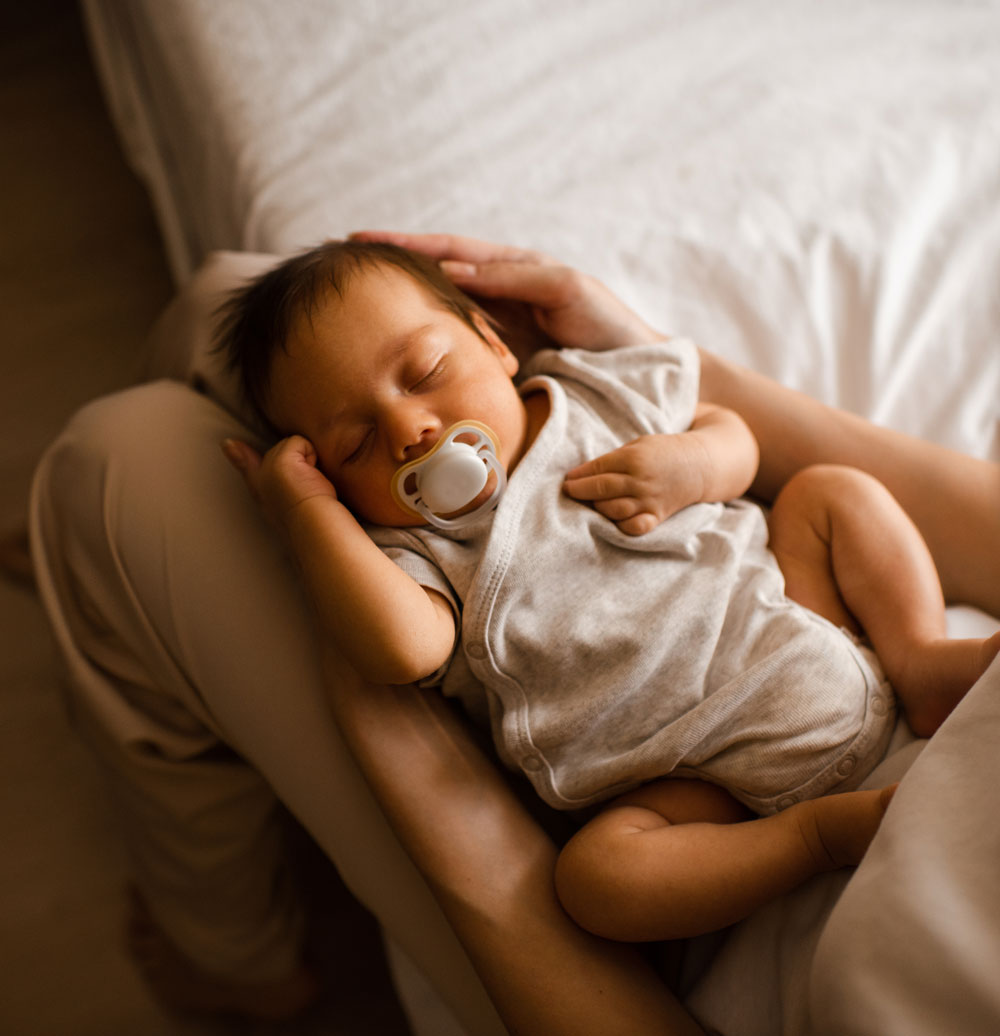
Sleeping baby with pacifier resting in parent's arms on bed.

safe sleep Pacifiers and Safe Sleep

Using a pacifier at sleep time (naps and bedtime) has been linked to a lower risk of SIDS. In fact, studies suggest it may reduce the risk by 50% to 90%. While the exact reason is not fully understood, it’s believed they may help because when a baby sucks on a pacifier, it brings their tongue forward, which opens their airway a bit.

Tips for safe use during sleep:

Pacifier Safely How to Use a Pacifier Safely
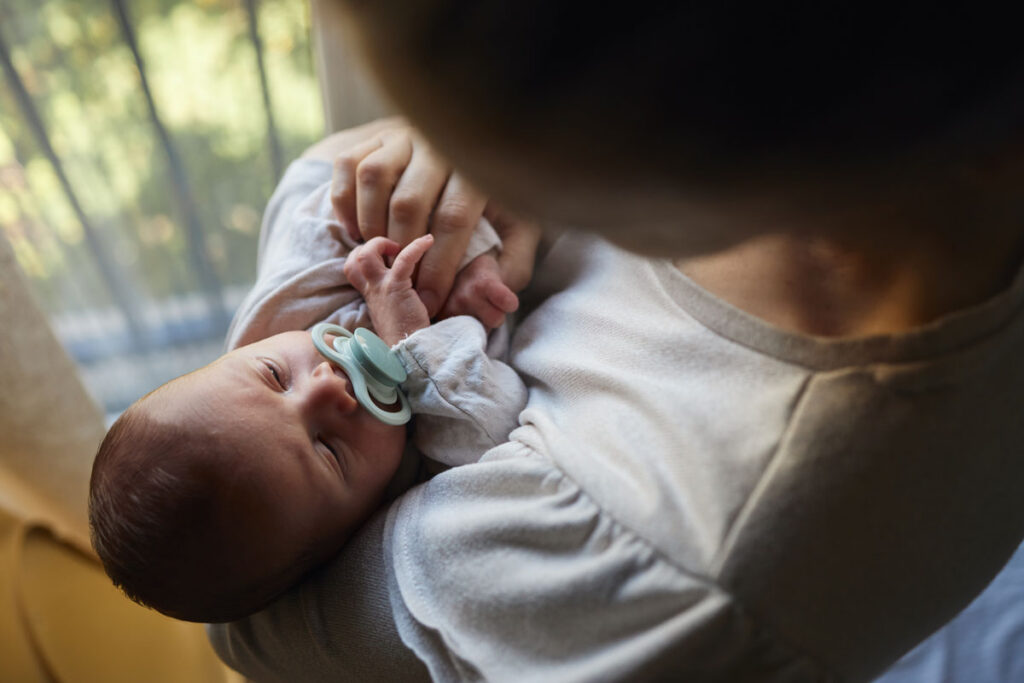
Baby with pacifier being held by parent near window
green thumb
To keep you baby safe you should:
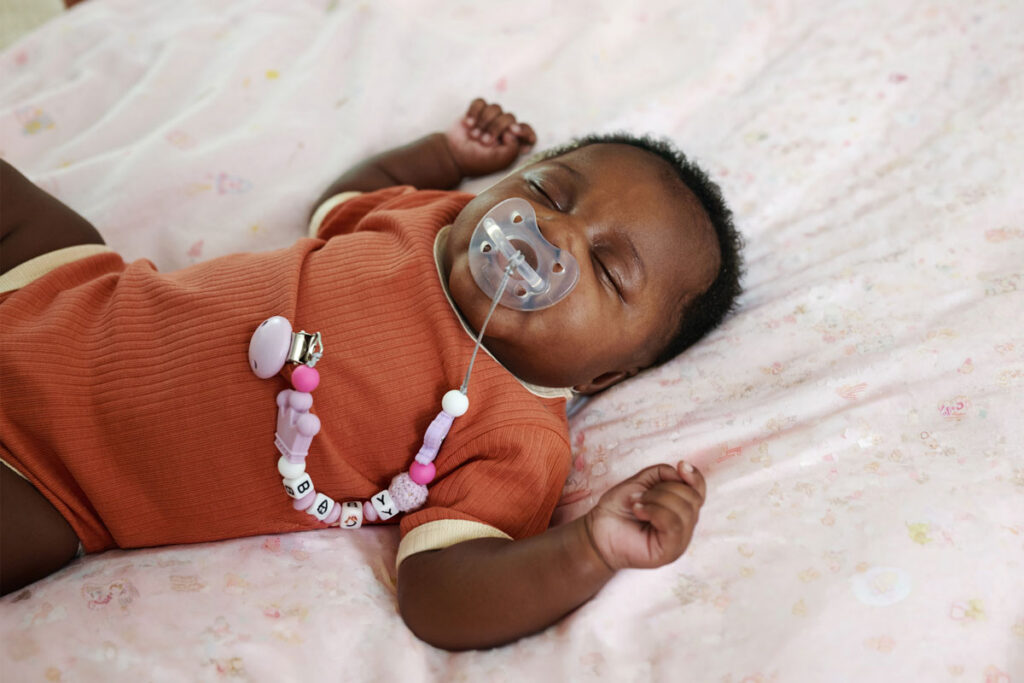
Sleeping baby with pacifier clip lying on pink blanket
Abstract red shapes form a dynamic, geometric pattern.
To keep your baby safe never:
Mother holding baby with pacifier during pediatric checkup at home

question Can Pacifiers Cause Problems?

Pacifiers are safe when used appropriately, but there are a few things to keep in mind.

Feeding Concerns

Using a pacifier too often or too early may mask hunger cues and lead to fewer feedings.

Ear Infections

Frequent pacifier use (especially after 6 months) has been linked to a higher risk of ear infections.

Dental Development

Long-term pacifier use can affect how teeth grow and align. This is more likely if use continues past toddler years.

calendar alert When Should You Wean from a Pacifier?

There is no single “perfect” time to wean from a pacifier, but many experts suggest:

6–12 MONTHS
BY 2 YEARS OLD
Tip!
Earlier weaning (between 6 to 12 months) may reduce the risk of ear infections and dental concerns.

notebookt How to Wean from a Pacifier

Giving up a pacifier can be difficult and emotionally challenging for both babies and parents. It may make sleep time more challenging for a few days or weeks, but weaning can be a gradual process.

Here are some gentle strategies to help:

Mother holding a sleeping baby with a pacifier while sitting on a couch
/.

LIMIT WHEN IT IS USED

Start by only allowing the pacifier:

2.

OFFER OTHER COMFORT

Help your child learn new ways to self-soothe:

mother lifting laughing baby up
3.

GO GRADUAL

Slowly reduce use over time instead of stopping all at once.
Every time your child chooses not to use the pacifier, offer praise and remind them how proud you are that they’re becoming such a “big” boy or girl.

4.

MAKE A PLAN

Some families:

Here are some fun videos you can watch with your child to help:

Smiling mother holding baby while using laptop at home
Decorative abstract shape Follow Your Baby’s Lead

Every baby is different. Some love pacifiers, while others aren’t interested at all. Pacifiers can be a helpful tool, but they are not required and are not intended to be used long-term.

The most important thing is responding to your baby’s needs with care and consistency.

If you have questions about pacifier use, or are having trouble with weaning, WIC staff or your healthcare provider can help you decide what works best for your family.

Mother lifting baby in the air and smiling at home

REFERENCES: